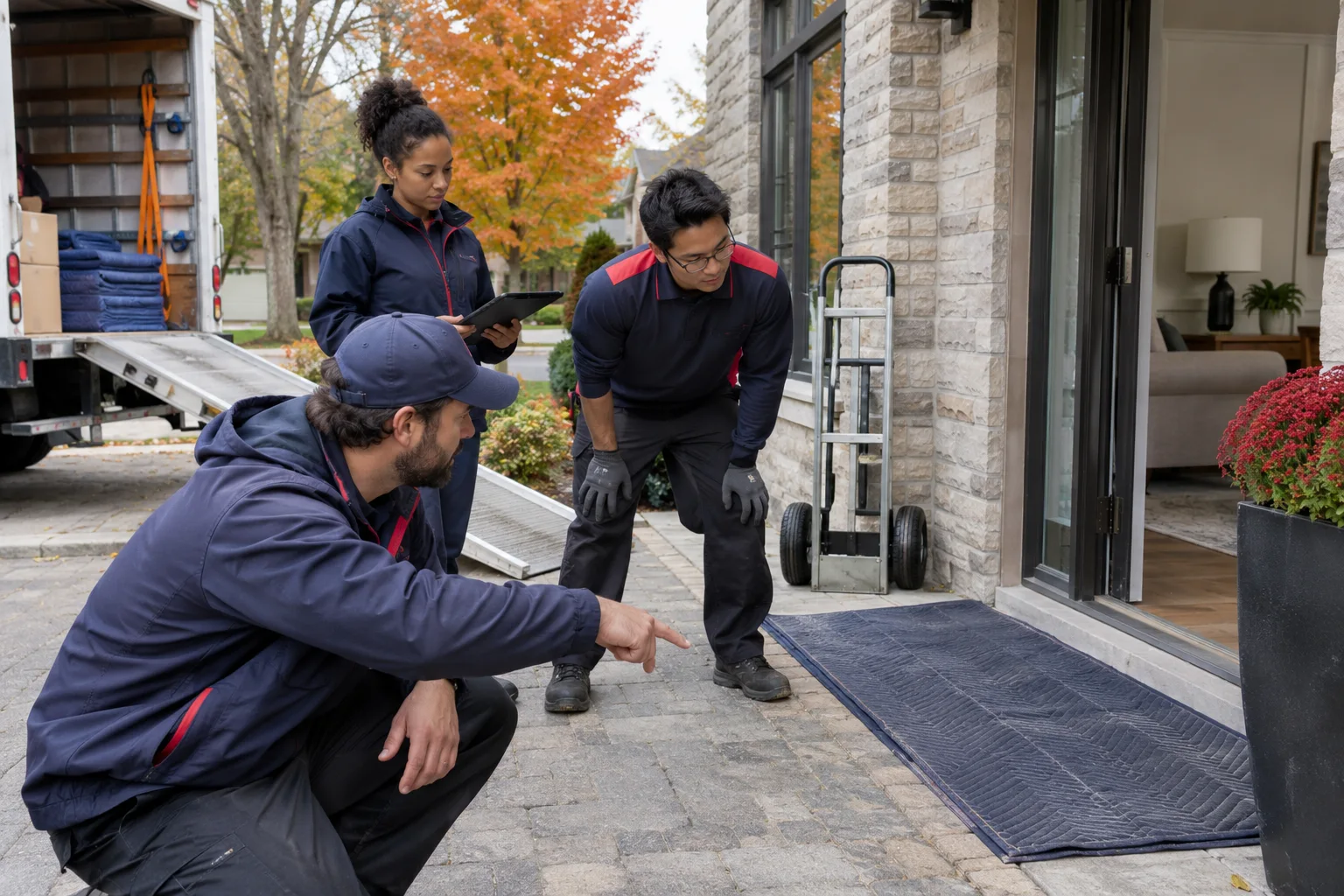
Describe the collection through its handling needs
Begin with the objects themselves rather than the value you attach to the hobby. Explain which pieces are breakable, which have loose parts, which need a particular position, and which contain materials the carrier must specifically accept. A collection might include models, textile equipment, framed work, small tools, or other personal projects, but the relevant details depend on what you actually own. Give the estimator a plain account of the items and ask what further information is needed to assess the work.
Make a separate collection register that can be connected to the household inventory. Group related items in a way that preserves the important distinctions. A completed display piece and the supplies used to make it may require different preparation and acceptance questions. Avoid writing hobby room as though every object inside it travels under one instruction. Where an item is difficult to describe, supply clear photographs and any relevant dimensions or preparation guidance available from its maker or another appropriate specialist.
Explain the limits of your own knowledge honestly. If you do not know whether an assembly can be dismantled or how a material should travel, ask the responsible source before promising that preparation to the mover. The company should assess the handling service it offers, not be expected to invent expertise about an unfamiliar hobby. Keeping those questions open until answered is more useful than assigning every possession a fragile label and assuming that label explains the task.
Separate personal preparation from purchased packing
Decide which items you want the moving company to pack and which you will prepare yourself. Ask the company whether it accepts the particular objects and what information supports its proposed packing method. A general offer to pack a household does not establish that it will prepare every delicate project or unfamiliar piece of equipment. Obtain the relevant scope before buying materials or dismantling a collection in a way that differs from the company's accepted arrangement.
If you pack some objects, keep a description of the contents and the preparation used. Use containers suited to the actual item and seek appropriate guidance for something requiring specialist care. Do not combine loose sharp parts, dense supplies, and delicate finished work simply because they belong to the same hobby. The organizing principle for transport may differ from the organizing principle in your workshop or display room. Ask how your own packing affects the agreement's responsibility and reporting terms.
For company-packed items, identify what must be ready before the packing appointment. Remove personal papers or unrelated belongings from the area and distinguish pieces the packers should leave alone. Keep the collection register available so the team can ask about a specific object. Avoid leaving a crew to interpret a partly dismantled project whose instructions remain in your memory. The preparation should make the accepted work identifiable without requiring every person handling the carton to understand how the hobby functions.
Resolve supplies the carrier may not accept
Place uncertain materials on a question list separate from the ordinary collection. Tell the company about liquids, powders, chemicals, batteries, cylinders, or other contents requiring an explicit answer where they exist in your hobby supplies. Ask about the actual item, its condition, and the proposed journey. Do not assume that a small retail container is automatically suitable for a household shipment. Follow the relevant guidance for the material and the transport arrangement rather than hide it inside a carton marked craft supplies.
Record the company's decision and any preparation it requires. If another source must assess an item, settle that before the packing date. A moving lead cannot be expected to make an unfamiliar materials decision while also supervising furniture loading. Keep accepted supplies clearly distinguished from items excluded or awaiting another arrangement. If you later add a material or discover another container, update the question list rather than treat the earlier answer as permission for everything associated with the hobby.
Arrange the excluded group through an appropriate separate process and keep it outside the mover's loading area. Tell household helpers which items must remain behind and who is responsible for them. A carton prepared by a well-meaning friend can otherwise reintroduce an excluded material into the accepted shipment. The purpose of the separation is a clear service boundary: the carrier knows what it has accepted, and the household knows which remaining possessions still require a decision or another form of handling.
Assess furniture and the collection as linked work
List the furniture holding or displaying the collection separately from its contents. A cabinet may need to be emptied, a worktable may require preparation, and shelving may include removable components. Ask who will perform those tasks and how the parts will remain associated with the furniture. Do not assume the display arrangement can be moved intact because it has remained stable in the room for years. The route, equipment, and handling need to be assessed for the move itself.
Give the estimator the actual route from the collection area to the vehicle and from the vehicle to the intended destination. Include doorways, turns, levels, and the truck's practical stopping position. Explain whether packed collection items will wait in the same room as furniture still needing preparation. Ask where the ready cartons should be placed so they do not obstruct the work. A careful packing plan can be undermined if the household creates a crowded route that requires unnecessary handling before the crew reaches the furniture.
At the destination, identify where the collection and its supporting furniture will go. A delicate group should not be left without a planned receiving position while the household decides which room is suitable. Ask the company what placement the service includes and which later setup tasks remain yours. If a room is not ready, obtain an accepted alternative before delivery. Temporary placement needs to be practical for the actual objects and should not depend on another unassessed move after the carrier's appointment ends.
Compare estimates with the special work itemized
Give each company the same furniture inventory and collection register, including the decisions on packing and acceptance. Ask it to distinguish ordinary household transport from any additional preparation or handling it offers for the collection. A total is difficult to compare if one estimator assumes you pack every delicate object while another includes that service. Make the responsibility visible before deciding which amount represents better value for the work you want to purchase.
Ask what happens if a preparation question remains unresolved near the date. The company may need more information, a separate assessment, or a change to the service it can accept. Record the process for approval and any effect on the estimate. Do not assume an unfamiliar object can be added under the same handling method as a similar-looking item already discussed. A collection can contain important differences that are not apparent from the room description or the number of cartons.
Read the agreement's terms for responsibility, condition records, and reporting concerns. Ask specifically how those terms relate to items you pack and items the company packs. Keep the explanations with the current estimate. Confirm the business responsible for the booking and the contact who can answer a collection-related question during operations. A careful comparison looks beyond a general assurance of care and establishes the actual work, documents, and responsibilities attached to this mixed shipment.
Prepare condition records that identify an object
Photograph the collection in a way that helps identify particular items and existing condition. Keep a general view for context and more specific records where a detail matters. Use the identifiers from your register so the images can be connected to the relevant object later. Avoid making the record depend on a private nickname that the carrier or receiving representative cannot interpret. The photographs should support a clear description rather than replace it with a large unsorted folder.
Record components that will travel separately and the location of their fittings. If an object is dismantled, make that relationship visible before packing. Keep the record with you through the move, along with any preparation information needed at the destination. A valuable set of instructions is not accessible if it travels in the same sealed carton as the item it describes. Decide which documents and personal records must remain outside the shipment for practical use during collection and delivery.
Ask how the company records the condition of items within its accepted service and what it expects you to review at handover. Do not sign an unfamiliar description without asking about an important uncertainty. If you use a receiving representative, explain the relevant register and the limits of what they can inspect. The goal is a useful starting point for a specific concern, not a promise that every aspect of a complex collection can be tested during an ordinary unloading appointment.
Make delivery a controlled receiving task
Have the intended receiving area available before the truck arrives. Use the agreed room names and keep the route clear for the furniture that supports the collection. Tell the lead which cartons or objects belong to the separate registered group. Let the crew manage its accepted unloading method while you provide the destination information. Avoid opening delicate cartons in an active carrying path or starting detailed hobby setup while the team still needs the same space for furniture placement.
Compare accessible objects with the register and document a concern using the identifier and description. Keep the carrier's delivery record and ask how its process applies to an issue found during unpacking. Distinguish a moving concern from a setup or maintenance task requiring your own knowledge or another specialist. A model needing reassembly, for example, should be reviewed against the preparation and service actually agreed rather than an assumption that transport includes restoring every project to its original working state.
Unpack through a planned sequence after the carrier's work is complete. Keep components together and retain packing materials long enough to document a specific concern where needed. If an item cannot be located, use the inventory and carton descriptions to investigate before relying on memory of where it once stood. The collection register should help the household find and set up its possessions without turning the final delivery into another open-ended sorting appointment.
Choose movers who respond to the collection you own
For a Guelph move with delicate hobby belongings, ask prospective companies to respond to the particular work rather than a broad specialist label. Their useful answers will identify what they can accept, what must be prepared, which packing tasks they offer, and how their terms apply. If a necessary question remains unanswered, settle it before the shipment is loaded. Confidence about ordinary furniture does not automatically answer an unfamiliar materials or preparation issue within the same household.
Keep the accepted collection register connected to the furniture inventory and the destination plan. Update it when an object is removed, repacked, or assigned to a different receiving arrangement. Tell the operations contact about a material change so the crew is not asked to interpret an obsolete list. The documents need not be elaborate. They need to identify the objects and decisions that make this part of the move different from a standard group of household cartons.
After the move, retain the relevant condition and handover records until unpacking and any agreed follow-up are complete. Review costs against the accepted special work and approved changes. This gives you a clear basis for discussing a concern while preserving the distinction between your own preparation, the carrier's service, and any later specialist work. A mixed collection becomes manageable when those responsibilities are explicit rather than hidden behind one fragile label.
Test the label without explaining the hobby
Ask someone unfamiliar with the collection to identify one packed group from the label and register. They should be able to find its destination and the associated furniture or components without opening containers or understanding the hobby itself. If the instruction depends on a private abbreviation, replace it with a clear reference before collection. This checks the part of the system the moving team will actually use.
Then review an object whose preparation is still uncertain. Keep it outside the accepted packing instruction until the responsible person has answered the question. Marking uncertainty clearly is more useful than creating a confident label for a method nobody has assessed. Once the arrangement is settled, update the register and give the carrier the current version. The final handover should show which decisions were completed and which possessions, if any, remain outside the booked service.